

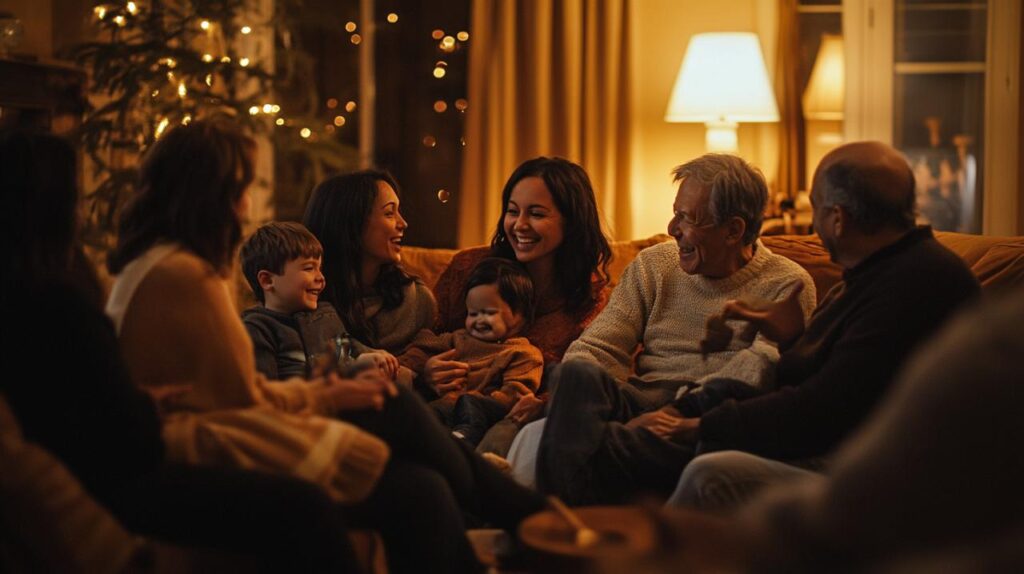
Families, in all their varied forms, have long sought ways to represent the deep connections that bind them together. From ancient symbols carved into stone to modern expressions etched onto skin, the desire to commemorate kinship remains a universal human impulse. These emblems serve not only as markers of identity but also as visual reminders of the love, history, and collective responsibility that define our closest relationships. Understanding the many symbols that represent family offers insight into how we honour our past, celebrate our present, and shape the future for generations to come.
Universal emblems: how different cultures represent kinship through symbolism
Across the globe, cultures have developed rich visual languages to depict the bonds of family. These symbols transcend words, offering a way to communicate the complexity of relationships, emotions, and history. The visual representation of family structures serves as a powerful tool for understanding not only who belongs to a particular group but also the patterns and dynamics that have shaped them over time. Through these emblems, we gain a window into the values and traditions that different societies hold dear.
The Family Tree and Its Roots in Ancestral Connection
One of the most enduring symbols of family is the tree, with its branches reaching skyward and roots delving deep into the earth. This image captures the essence of generational continuity, illustrating how each individual grows from a common source while extending into the future. The family tree is more than a mere diagram; it is a narrative of lineage, a visual representation of the network that connects us to those who came before and those who will follow. In many traditions, the tree symbolises strength, growth, and the enduring nature of family bonds, reminding us that we are part of a larger story that stretches across time.
The genogram, a more detailed version of the family tree, takes this concept further by mapping out not only who is related to whom but also the nature of those relationships. Using specific symbols such as squares to represent males and circles to represent females, the genogram provides a comprehensive picture of family structure and dynamics. It includes information about marriage, divorce, and non-enduring relationships, as well as biological children, adopted children, and foster children. Special symbols are used to denote pregnancies, miscarriages, and abortions, while twins and other multiple births are shown with lines that are joined together. Identical twins or triplets are indicated by a horizontal line between them. This visual representation helps to reveal patterns and emotions that might otherwise remain hidden, offering a deeper understanding of the family history and the support networks that sustain it.
Animal Totems and Their Role in Representing Familial Bonds
In many indigenous cultures, animals serve as powerful symbols of family and kinship. These totems are believed to embody the characteristics and values that a family holds dear, whether it be the strength of the bear, the loyalty of the wolf, or the wisdom of the owl. By adopting an animal totem, families create a shared identity that transcends individual members, linking them to the natural world and to the ancestral spirits that guide them. This form of symbolism emphasises the interconnectedness of all life and the responsibility each generation has to honour the legacy of those who came before.
Animal totems also serve as a reminder of the cycles of life and rebirth, themes that are central to many family traditions. The idea that families are part of a continuous cycle, with each generation contributing to the ongoing story, is reflected in the way these symbols are passed down and revered. Whether through storytelling, ceremony, or art, the use of animal totems reinforces the collective responsibility to nurture and protect the family unit, ensuring that its values and traditions endure.
Sacred Imagery and Religious Representations of the Family Unit
Religious traditions have long offered rich imagery to symbolise the family, often drawing on sacred narratives to illustrate the ideals of love, devotion, and sacrifice. These symbols serve as both spiritual guides and cultural touchstones, providing families with a framework for understanding their roles and responsibilities. Through sacred imagery, the family unit is elevated to a place of reverence, reflecting the belief that the bonds of kinship are divinely ordained and worthy of protection and celebration.
The Holy Family: Mary, Joseph, and the Symbolism of Parental Devotion
In Christian tradition, the image of the Holy Family, consisting of Mary, Joseph, and the infant Jesus, stands as a powerful symbol of parental love and devotion. This representation emphasises the virtues of care, sacrifice, and faith, offering a model for families to emulate. The Holy Family is not only a religious icon but also a universal emblem of the protective and nurturing aspects of family life. Through their example, families are reminded of the importance of creating a loving and supportive environment for children, ensuring that they are raised with compassion and moral guidance.
The symbolism of the Holy Family extends beyond the individual members to encompass the broader themes of unity and resilience. In times of hardship, this image serves as a reminder that families can endure and thrive through mutual support and unwavering commitment. The visual representation of Mary, Joseph, and Jesus together reinforces the idea that the family is a sacred space where love and faith intersect, providing a foundation for the generations to come.
Cycles of Rebirth and Renewal in Familial Iconography
Many religious and spiritual traditions incorporate symbols of rebirth and renewal to represent the ongoing cycle of family life. These emblems often draw on natural imagery, such as the changing seasons or the phases of the moon, to illustrate the idea that families are constantly evolving and regenerating. The concept of rebirth is particularly significant in cultures that view the family as a conduit for ancestral spirits, with each new generation serving as a bridge between the past and the future.
This cyclical view of family is reflected in the way genograms and other visual tools are used to map out generational patterns. By examining the relationships and dynamics across at least three generations, families can gain insights into their own history and identify both strengths and areas for growth. The process of creating a genogram can be a deeply emotional experience, as it brings to light the full picture of family history, including sensitive issues such as paternity, unknown siblings, or safeguarding concerns. Using open-ended questions and creative methods, families can explore these patterns in a way that feels safe and supportive, ideally within the context of a trusted relationship.
Personal Tokens of Love: Tattoos, Jewellery, and Modern Expressions of Family
In contemporary society, the symbols of family have evolved to include more personal and individualised forms of expression. Tattoos, jewellery, and other wearable tokens have become popular ways for people to carry a physical reminder of their loved ones with them at all times. These modern symbols serve as a testament to the enduring nature of familial love, offering a way to honour both the living and those who have passed on.
Necklaces, Bracelets, and Wearable Symbols Connecting Siblings and Children
Jewellery has long been used to symbolise family connections, with necklaces and bracelets often featuring designs that represent the bonds between siblings, parents, and children. These pieces might include birthstones, initials, or other personalised elements that reflect the unique composition of a family. For many, wearing such jewellery is a way to feel close to their loved ones, particularly when separated by distance or time. The act of gifting a piece of jewellery to a family member is also a powerful gesture, symbolising a commitment to maintaining and nurturing the relationship.
In some cases, families create matching jewellery sets that serve as a visual representation of their unity. These wearable symbols can be particularly meaningful for children, offering them a tangible reminder of their place within the family network. Whether it is a simple bracelet or an intricately designed necklace, these tokens carry deep emotional significance and serve as a constant reminder of the love and support that define family life.
Contemporary Tattoo Art as a Testament to Lifelong Familial Love
Tattoos have emerged as one of the most enduring and personal ways to symbolise family. Unlike other forms of expression, tattoos are permanent, reflecting a lifelong commitment to the bonds of kinship. Many people choose to ink the names of their children, siblings, or parents onto their skin, creating a lasting tribute to the most important people in their lives. Others opt for more abstract designs, such as family trees, animal totems, or religious symbols, each carrying its own unique meaning and significance.
The process of getting a family tattoo is often a deeply emotional one, serving as a rite of passage or a way to commemorate a significant event. For some, it is a way to honour a loved one who has passed away, ensuring that their memory lives on in a visible and permanent form. For others, it is a celebration of the living, a way to express gratitude for the support and love that family members provide. Regardless of the specific design or motivation, tattoos serve as a powerful symbol of the collective responsibility we all share to cherish and protect our families, ensuring that the chain of generations continues unbroken.