
The way we furnish our homes has always reflected more than mere practicality or personal taste. It speaks volumes about how we live, work, and connect with one another in an ever-changing world. As we move deeper into 2026, the intersection of design innovation and everyday living has become more pronounced, with new aesthetics and functionalities emerging that promise to transform our domestic environments. From the resurgence of darker timber finishes to the clever integration of technology into everyday pieces, the evolving landscape of interior furnishings offers fresh possibilities for those keen to refresh their surroundings. Understanding these shifts not only helps in making informed choices but also allows homeowners to craft spaces that genuinely enhance their daily routines and overall sense of wellbeing.
Contemporary furniture movements reshaping modern living spaces
The current wave of design innovation is characterised by a thoughtful blend of aesthetics and practicality, with an emphasis on pieces that adapt to the fluid nature of modern life. Modular and social sofas have emerged as a cornerstone of this movement, offering versatility and customisation that traditional seating simply cannot match. These sofas often feature plush, rounded shapes that invite relaxation whilst their adaptable configurations allow homeowners to reconfigure their living areas to suit various occasions, from quiet evenings in to lively social gatherings. Neutral palettes remain popular, yet there is a growing appetite for rust tones and greens, which lend warmth and character without overwhelming the senses. Textured fabrics further enhance the tactile appeal of these pieces, creating an inviting atmosphere that encourages people to linger and unwind.
Another notable trend reshaping interiors is the return of darker wood furniture paired with mixed materials, a combination that brings both sophistication and a sense of groundedness to a room. Mid-oak and walnut finishes, in particular, have made a striking comeback, offering a rich visual contrast to lighter contemporary schemes whilst maintaining an air of timeless elegance. These darker tones work beautifully when combined with ceramic, metal, and stone-inspired surfaces on tables and sideboards, resulting in pieces that feel both artisanal and refined. This approach to furniture trends in lifestyle choices reflects a broader desire for authenticity and durability, as homeowners seek out items that will endure both in style and substance. The interplay of natural wood with modern materials also speaks to a renewed appreciation for craftsmanship and the stories that well-made objects can tell.
Sustainable materials and eco-conscious design choices
Sustainability has moved from the periphery to the centre of contemporary design conversations, with an increasing number of consumers prioritising eco-conscious choices in their furnishing decisions. Reclaimed wood, recycled materials, and organic fabrics have become the building blocks of a new design ethos that values environmental responsibility as much as aesthetic appeal. These materials not only reduce the ecological footprint of furniture production but also bring unique textures and histories into the home, making each piece feel distinct and meaningful. The emphasis on sustainability is not merely a passing trend but a reflection of a broader cultural shift towards mindful consumption, where quality and longevity are prized over disposability.
Beyond the choice of materials, the design philosophy itself has evolved to embrace principles that support a more sustainable way of living. Minimalism and functionality are at the heart of this approach, with designers favouring simple, uncluttered forms that incorporate hidden storage and serve multiple purposes. This streamlined aesthetic is particularly well-suited to urban dwellings, where space is often at a premium and every piece of furniture must earn its place. By reducing excess and focusing on essentials, homeowners can create environments that are not only visually serene but also more efficient and easier to maintain. The integration of sustainable practices into everyday design choices demonstrates that elegance and environmental stewardship need not be mutually exclusive.
Minimalist Aesthetics and Multifunctional Pieces for Urban Dwellings
The constraints of city living have long inspired creative solutions in furniture design, and the latest iterations of multifunctional and modular pieces are testament to this ingenuity. As property prices continue to rise and living spaces shrink, particularly in major urban centres, the demand for adaptable furniture has never been greater. Items that can transform from a sofa into a bed, or tables that extend to accommodate unexpected guests, offer practical benefits whilst maintaining a sleek, contemporary appearance. This blend of form and function is especially appealing to younger homeowners and those downsizing in retirement, who value flexibility without sacrificing style.
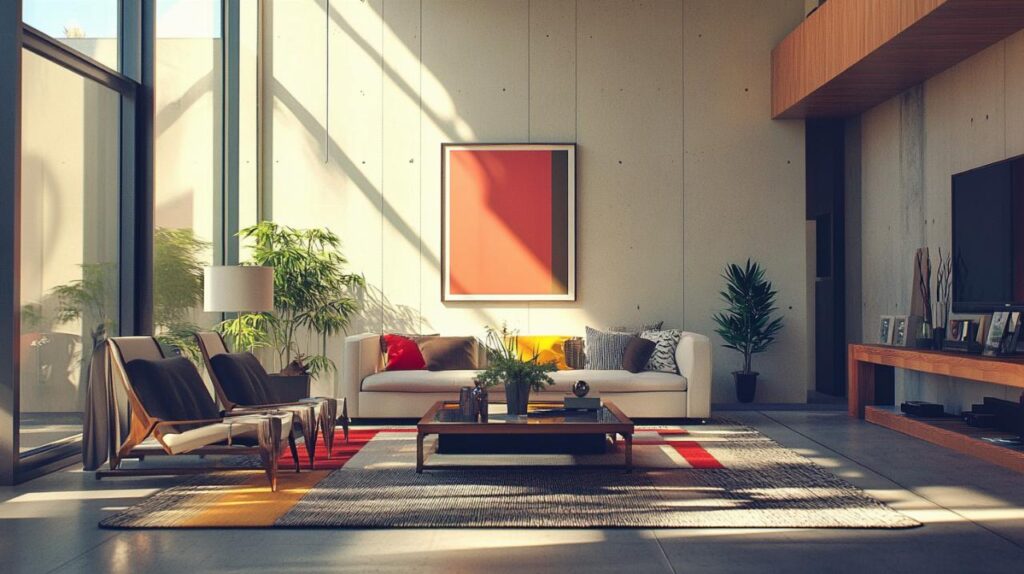
Minimalist aesthetics, characterised by clean lines and a restrained colour palette, provide the perfect backdrop for these versatile pieces. Neutral tones such as soft greys, warm whites, and muted beiges create a calm, cohesive atmosphere that allows individual items to shine without competing for attention. At the same time, there is room for boldness through carefully chosen accents, whether in the form of vibrant textiles, colourful artwork, or statement lighting. This balance between simplicity and expression enables residents to personalise their spaces whilst maintaining a sense of order and tranquillity. The result is an environment that feels both spacious and intimate, a sanctuary from the hustle and bustle of city life.
Elevating your daily life through thoughtful furniture selection
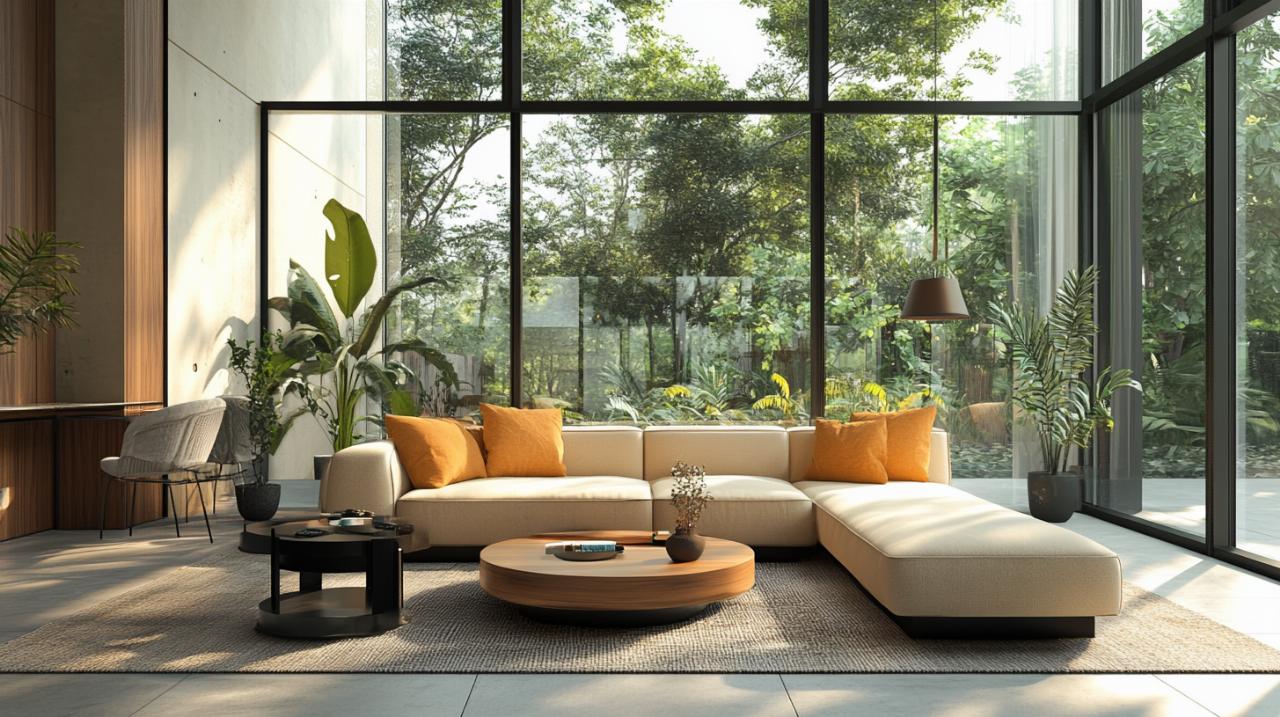
The impact of thoughtful furniture selection extends far beyond aesthetics, influencing the quality of our daily experiences in profound ways. As remote work continues to shape homebuyer preferences and reshape the function of domestic spaces, the need for furniture that supports both productivity and relaxation has become paramount. Creating distinct zones within the home, each tailored to specific activities, can significantly enhance comfort and efficiency. A well-designed workspace, for instance, benefits from ergonomic seating and ample surface area, whilst a relaxation zone might feature plush seating and soft lighting. By delineating these areas, homeowners can maintain a healthy separation between work and leisure, even within the confines of a single room.
Technology has also woven itself seamlessly into the fabric of contemporary furniture design, offering new levels of comfort and convenience. Smart furniture, such as sofas equipped with control consoles and mattresses with intelligent features, exemplifies this integration. These innovations cater to a generation accustomed to the seamless blending of digital and physical experiences, providing practical benefits that enhance everyday routines. Statement dining tables, particularly extending styles with oval or round shapes and pedestal bases, have become focal points for modern entertaining, bridging the gap between everyday functionality and social hospitality. Such pieces are designed to accommodate both intimate family meals and larger gatherings, reflecting a renewed appreciation for the role of the dining space in fostering connection and community.
Creating Comfortable Zones for Work and Relaxation
The challenge of creating comfortable zones within the home requires a nuanced understanding of how different activities demand different environments. A successful work zone, for example, should promote focus and efficiency, with furniture that supports good posture and minimises distractions. Desks with integrated storage, adjustable chairs, and adequate lighting are essential components, enabling individuals to maintain productivity throughout the day. In contrast, relaxation zones benefit from softer, more inviting elements that encourage unwinding and mental rest. Sofas with deep cushions, low coffee tables, and ambient lighting can transform a corner of a living room into a personal retreat, offering respite from the demands of daily life.
This zoning approach is particularly relevant in the context of downsizing, where the efficient use of space becomes critical. For those moving into smaller properties, the ability to create distinct yet cohesive zones within a limited footprint can make all the difference to comfort and functionality. Multifunctional furniture plays a key role here, allowing spaces to shift fluidly between purposes without feeling cluttered or chaotic. A fold-out desk that doubles as a console table, or a storage ottoman that serves as extra seating, exemplifies the kind of clever design that maximises utility whilst maintaining aesthetic appeal. By investing in pieces that serve multiple roles, homeowners can enjoy the benefits of a larger home within a more compact setting.
Colour palettes and textures that reflect personal style
Colour and texture are powerful tools in the creation of a personalised living space, offering endless possibilities for self-expression and mood setting. Whilst neutral tones provide a versatile foundation, the strategic use of bold colours and patterns can inject energy and personality into a room. Vibrant accents, whether through textiles, artwork, or decorative accessories, serve as focal points that draw the eye and enliven the overall composition. This approach allows for experimentation and change, as smaller elements can be easily swapped out to refresh the look of a space without the need for extensive redecoration.
Textures, too, play a vital role in shaping the sensory experience of a room. The interplay of smooth, polished surfaces with rough, natural materials adds depth and interest, creating a layered aesthetic that feels rich and inviting. Textured fabrics on sofas and cushions, for instance, not only enhance visual appeal but also contribute to the tactile comfort of a space. The mixing of eras, combining vintage pieces with modern design elements, has become a hallmark of contemporary interiors, offering a timeless quality that transcends fleeting fashions. This eclectic approach celebrates individuality and encourages homeowners to curate spaces that truly reflect their unique tastes and lifestyles. By embracing both colour and texture with confidence, one can transform a house into a home that resonates on a deeply personal level.